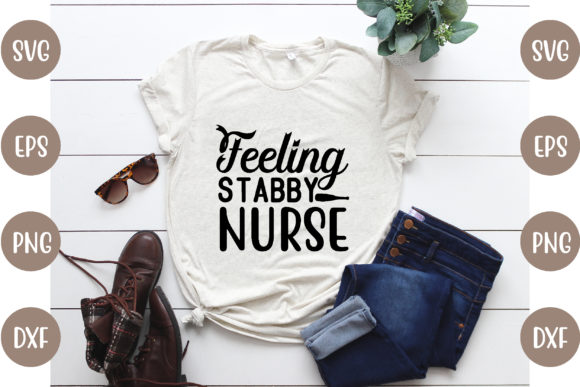
Review: Feeling Stabby Nurse Embroidery Design
As a designer who has spent countless hours digitizing and stitching out thousands of files, I have developed a keen eye for what works in the real world versus what only looks good on a screen. When I first pulled up the Nurse Design, Feeling Stabby Nurse, my immediate reaction was one of amused recognition. It captures a very specific, relatable sentiment within the healthcare community with a touch of dark humor that resonates deeply with nurses, CNAs, and medical staff who rely on laughter to get through long shifts. However, aesthetic appeal is only half the battle. The true test lies in how this graphic translates into thread, how it behaves under the needle, and whether it holds up as a viable product for craft businesses and Etsy sellers.
First Impressions and Visual Personality
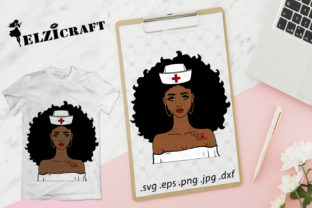
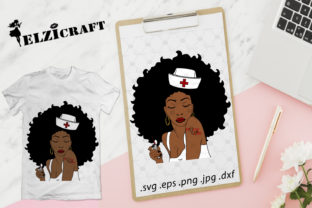
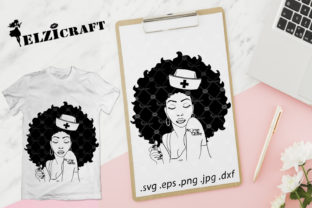
The mood of this design is playful yet edgy. It does not take itself too seriously, which is exactly why it sells. Visually, the layout appears balanced, combining typography with illustrative elements that likely include medical motifs such as syringes or scissors, depending on the specific variation in the pack. For an embroidery project, clarity is king. If the lines are too thin or the details too cramped, the machine will struggle, resulting in bird nests and broken threads. From a reviewer’s perspective, this design seems to prioritize bold shapes over intricate micro-details, which is a smart move for durability and stitch quality.
When evaluating graphics for Crafts, I look for versatility. This design feels at home on casual wear and functional items rather than formal attire. It speaks to a demographic that values comfort and personality. The visual personality suggests it would perform best on items where the wearer wants to make a statement without saying a word. It is the kind of imagery that sparks conversation in break rooms and hospital corridors, making it a strong candidate for personalized gifts and team morale boosters.
Real-World Application: The Sweatshirt Test
To truly understand the value of a machine embroidery design, you must imagine it stitched out. I envisioned this design centered on the chest of a high-quality, heather grey crewneck sweatshirt. This is a staple item for any small shop product line. The texture of the fleece provides a sturdy base for the stitches, allowing the thread colors to pop. In this scenario, the design acts as a focal point. I would recommend using a satin stitch for any outline elements to give them definition against the fuzzy fabric, while using a fill stitch for larger areas to ensure coverage without excessive bulk.
Another excellent application is a canvas tote bag design. Nurses carry a lot of gear, from stethoscopes to water bottles. A sturdy tote with this embroidered graphic serves both as a practical tool and a badge of honor. The flat surface of a tote bag is ideal for embroidery because it minimizes distortion. Here, the stability of the fabric allows for higher stitch density without causing puckering. For an Etsy seller, offering this as a ready-to-ship item or a custom apparel option can significantly boost buyer engagement, especially during Nurse Week or the holiday season.
Considerations for Smaller Items and Patches
While the design shines on larger surfaces, caution is required when scaling it down. An embroidered patch is a popular trend, but if the text "Feeling Stabby" becomes too small, the letters may merge together. Running stitch details might disappear entirely if the hoop size is reduced below three inches. I advise testing the design on scrap fabric at your intended scale before committing to final production. If you are creating baby embroidery items, such as a onesie for a "future nurse," ensure the design is simplified. Dense stitch areas on thin baby fabric can cause stiffness and discomfort, so adjusting the stitch density or using a lighter stabilizer is crucial.
Caps and hats present another challenge due to their curved surfaces. Embroidering on a cap requires precise hooping and often a different digitizing approach than flat garments. If this design includes wide horizontal elements, they may distort on the front panel of a baseball cap. It is essential to check the width of the design against your standard cap hoop dimensions. If the design is too wide, it may wrap around the sides, looking unprofessional. For curved surfaces, consider breaking the design into smaller components or choosing a vertical layout if available.
Technical Performance and Stitch Quality
The success of any embroidery file depends on its technical construction. Although I do not have the exact stitch count for this specific SVG, DXF, EPS, and PNG package, experienced designers know that format matters. The digital embroidery file formats provided suggest versatility for cutting machines and printers, but for embroidery, you need a proper DST or PES file generated from these vectors. If you are converting these graphics yourself, pay close attention to node placement. Smooth curves prevent jagged edges in satin stitches.
Thread color contrast plays a massive role in readability. On dark fabric, such as navy blue scrubs or black hoodies, light-colored threads like white, silver, or pastel pink will stand out sharply. Conversely, on light fabric, deeper tones provide necessary definition. I recommend creating printable mockups in both black and white to assess the silhouette of the design. If the design loses its shape in grayscale, it may rely too heavily on color rather than form, which can be problematic for single-color stitching options often requested by budget-conscious customers.
Stabilizer selection cannot be overlooked. For stretchy fabrics like performance scrubs, a cut-away stabilizer is non-negotiable to prevent the design from warping after washing. For woven materials like aprons or tea towels, a tear-away stabilizer may suffice, but a top stabilizer might be needed to keep the stitches from sinking into the fabric texture. Always test on the actual material you plan to use. Fabric texture can hide fine details, so a design that looks crisp on smooth cotton might look muddy on textured linen.
Commercial Viability and Brand Consistency
For creative entrepreneurs and handmade shop owners, this design offers strong commercial potential. It fits neatly into niches such as holiday embroidery for Halloween or Christmas gifts for medical professionals. It also works well for boutique branding, where unique, humorous designs differentiate your products from generic mass-market items. However, professionalism is key. Ensure that the finished product is clean, with no loose threads or backing visible. Customer trust is built on consistency; if one shirt is puckered and another is perfect, your brand reputation suffers.
Before selling finished items or digital products, confirm licensing terms. Just because a file is available for purchase does not always mean it is cleared for commercial use. Check the provider’s guidelines carefully. If you are using this as part of a larger collection of design assets, ensure it aligns with your overall aesthetic. A cohesive shop looks more professional and encourages repeat buyers. Use this design to anchor a collection of medical-themed items, perhaps pairing it with simpler icons like hearts or caduceus symbols for variety.
Final Verdict for Designers
The Nurse Design, Feeling Stabby Nurse is a solid addition to any designer’s library, provided it is used with intention. It is not just a graphic; it is a communication tool that connects with a specific audience through humor and shared experience. Its strength lies in its relatability and bold visual presence. However, its success depends entirely on execution. Pay attention to hoop size, fabric choice, and stitch parameters. Test thoroughly on scrap fabric, inspect small details for clarity, and adjust thread colors to maximize contrast.
Whether you are creating a custom apparel line, a set of personalized gifts for a hospital unit, or digital embroidery files for other makers, this design offers a fun, engaging option. It reminds us that embroidery is not just about decoration; it is about expression. By treating this design with the technical respect it deserves, you can create high-quality, durable products that customers will love to wear and share. Keep your needles sharp, your tension balanced, and your creativity flowing.