Living the Scrub Life: A Designer’s Real-World Review
As an embroidery designer who has spent years digitizing files and testing them on everything from flimsy polyester to heavy denim, I approach every new machine embroidery design with a healthy dose of skepticism. We have all been there: you download a cute graphic, load it onto your machine, and watch in horror as the thread nests or the fabric puckers beyond repair. That is why I took a close, practical look at Living the Scrub Life. This isn’t just about whether the image looks good on a screen; it is about how it performs when the needle hits the fabric.
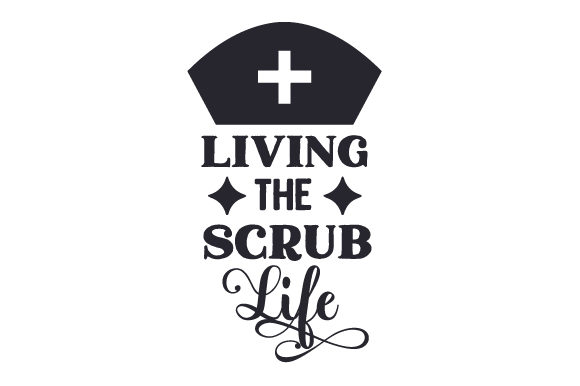
The first impression of Living the Scrub Life is one of relaxed professionalism. It captures that specific, weary-yet-proud mood of healthcare workers who spend their days in scrubs. Visually, the layout feels balanced. It does not scream for attention with chaotic lines, nor does it disappear into simplicity. For those of us in the Crafts industry, finding designs that bridge the gap between professional identity and personal style is crucial. This design sits comfortably in that niche, making it an ideal candidate for custom apparel intended for nurses, doctors, vet techs, and dental hygienists.
Visual Personality and Project Fit
When I evaluate a design for real project use, I ask myself: "Where does this belong?" Living the Scrub Life has a visual personality that leans towards casual comfort. It is not stiff or overly corporate. This makes it a natural fit for sweatshirt embroidery or high-quality cotton tote bags. Imagine a nurse receiving this as a personalized gift after a particularly tough shift. The design’s theme resonates because it acknowledges the lifestyle, not just the job title.
In terms of detail level, the design avoids the trap of excessive intricacy that often plagues digital downloads. Complex, tiny details are the enemy of efficient embroidery. They increase stitch time, raise the risk of thread breaks, and often look muddy once stitched out. Living the Scrub Life appears to prioritize clarity. This is essential for maintaining stitching clarity, especially when the design is scaled down for smaller items like cap fronts or pocket logos. If you are an Etsy seller looking to expand your Medical category offerings, this kind of clean, readable design reduces your production risk significantly.
Real-World Application: The Tote Bag Test
To truly understand the value of this embroidery file, let’s walk through a realistic scenario. Suppose you are preparing a custom order for a local nursing school’s graduation gifts. You decide to use Living the Scrub Life on canvas tote bag design prototypes. Canvas is forgiving, but it has a distinct fabric texture that can swallow up fine lines if the stitch density is too low.
Because this design is available in versatile formats like SVG, Transparent PNG, EPS, and DXF, you have flexibility. However, for the actual embroidery, you would use the native machine file associated with these vector assets. When stitching on canvas, I recommend using a cut-away stabilizer to prevent distortion. The design’s layout likely utilizes a mix of fill stitch for broader areas and satin stitch for borders or text elements. This combination works well on textured fabrics because the satin columns provide a smooth contrast to the rougher background, enhancing the visual appeal of the finished product.
If you were to pivot this design for a baby embroidery project, such as a onesie for a "future nurse," you would need to be cautious. Baby fabrics are thin and stretchy. In this case, the design might need to be scaled down, and you must ensure that the stitch density is not too high, or it will create a hard, uncomfortable patch on the garment. Always test on scrap fabric first. This simple step saves you from ruining expensive blanks and ensures your handmade product meets professional standards.
Navigating Fabric and Hoop Constraints
One of the most critical aspects of using any digital embroidery file is understanding its limitations. Living the Scrub Life is versatile, but it is not magic. There are specific situations where you need to proceed with care.
- Small Hoop Sizes: If you are working with a 4x4 hoop, check the dimensions of the design carefully. If the text or main graphic elements are too large, they may get cut off or require excessive resizing, which can distort the proportions.
- Dark Fabric: When stitching on navy or black scrubs, thread colors become paramount. You need high contrast. A light grey thread on black fabric might look elegant, but if the design relies on subtle shading, it could get lost. Test your color combinations on a similar dark scrap before committing to the final garment.
- Curved Surfaces: Embroidering on caps is tricky. The curvature of the front panel can distort designs that are wide. If Living the Scrub Life has a wide aspect ratio, consider placing it on the side of a cap or sticking to flat items like aprons or pillow covers to maintain integrity.
- Textured Fabrics: On towels or fleecy blankets, small details can sink into the pile. Ensure that any fine lines in the design are thick enough to remain visible above the fabric texture.
Commercial Viability and Brand Consistency
For small shop product creators and craft business owners, consistency is key to building customer trust. Using a design like Living the Scrub Life can help establish a cohesive brand aesthetic if you specialize in healthcare-themed goods. It signals to buyers that you understand their profession and respect their identity. This emotional connection drives buyer engagement and can justify a higher price point for your commercial embroidery services.
However, professionalism extends beyond the stitch. You must verify the licensing terms. Just because you have the SVG, PNG, EPS, and DXF files does not automatically grant you the right to resell the digital file itself. Typically, these licenses allow you to sell the finished product, such as an embroidered shirt or patch, but not the design assets digitally. Always read the specific license included with your purchase. This protects your small business from legal issues and ensures you are operating ethically within the creative community.
Practical Designer Notes for Success
Before you launch your next embroidery project featuring Living the Scrub Life, keep these technical checkpoints in mind:
- Test on Scrap: Never skip this. Stitch the design on the same type of fabric you plan to use for the final item. Check for puckering, thread breaks, and registration issues.
- Check Contrast: Use black and white mockups to see if the design holds its shape without color. If it looks muddy in grayscale, it might lack definition in real life.
- Inspect Small Details: Zoom in on the digital file. Are there tiny isolated stitches that might pull out? If so, you may need to edit the file or avoid using it on items that undergo frequent washing.
- Stabilizer Selection: Match your stabilizer to your fabric. Cut-away for knits and stretchy fabrics, tear-away for stable wovens. This decision impacts the longevity and look of the embroidered patch or garment.
- Hoop Size Confirmation: Ensure your machine’s hoop can accommodate the design size without needing to re-hoop, which introduces alignment errors.
In conclusion, Living the Scrub Life is a solid addition to your library of applique design and standard embroidery options. It offers a relatable theme for the Medical community, executed with a level of simplicity that favors production efficiency. Whether you are creating holiday embroidery gifts for hospital staff or stocking your online store with custom apparel, this design provides a reliable foundation. By respecting the technical constraints of embroidery and focusing on quality execution, you can turn this digital file into a tangible product that brings joy to your customers and pride to your portfolio.