Doctor Male Design: A Practical Review for Embroidery Projects
As a designer who has spent years digitizing and testing machine embroidery designs, I have learned that the difference between a good file and a great one often lies in the details. When I first loaded the Doctor male design into my software, I was looking for more than just a cute graphic. I wanted to see if it held up under the scrutiny of real-world production. For Etsy sellers, boutique owners, and hobbyists alike, choosing the right digital embroidery file is about balancing aesthetic appeal with technical feasibility. This review breaks down how this specific design performs when moved from the screen to the hoop.
First Impressions and Visual Personality
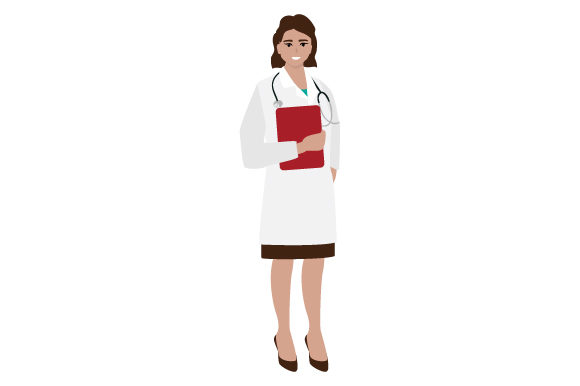
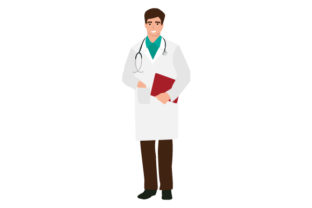
The Doctor male design carries a distinct mood that is both professional and approachable. In the Medical category, designs can often feel sterile or overly clinical. However, this particular asset leans into the Crafts side of the spectrum, offering a stylized, friendly representation that works well for personalized gifts and custom apparel. The layout is clean, avoiding unnecessary clutter that often causes stitching issues on smaller items.
What stands out immediately is the clarity of the silhouette. Whether you are using it for a satin stitch outline or a fill stitch body, the shapes are defined enough to remain recognizable even at reduced sizes. This is crucial for makers who need versatility. A design that looks great on a large pillow cover but turns into a blob on a baby onesie is not a versatile asset. From what I can see in the preview, Doctor male maintains its integrity across various scales, suggesting thoughtful digitization.
Real-World Application: The Custom Tote Bag Test
To truly evaluate a design, you have to imagine it in a finished product. Let’s consider a common scenario: a custom embroidered tote bag for a nursing student or a healthcare worker. Tote bags are typically made from canvas or heavy cotton, which provides a stable base for embroidery. Using Doctor male here allows for a bold statement piece.
Because the design is available as an SVG File, Transparent PNG, EPS, and DXF, you have flexibility beyond just machine embroidery. You could use the PNG for a printable mockup to show clients before stitching, or use the SVG for vinyl cutting if a customer prefers a different texture. However, focusing on the embroidery aspect, the design’s simplicity means it won’t require excessive thread changes, keeping production time low—a key factor for any craft business aiming for efficiency.
If I were producing this for a small shop product, I would likely place it centrally on the bag. The visual weight of the figure is balanced, meaning it won’t pull the fabric unevenly if proper stabilizer is used. For an Etsy seller, this kind of clear, thematic imagery drives buyer engagement because it instantly communicates the recipient’s profession or passion.
Fabric Considerations and Stitching Performance
One of the most critical aspects of reviewing a machine embroidery design is understanding how it interacts with different fabric textures. Doctor male appears to have a moderate stitch density, which is ideal for medium-weight fabrics like twill, denim, or standard cotton blends. However, caution is needed when working with stretchy fabrics or thin materials.
If you plan to use this design on a sweatshirt embroidery project, the nap of the fleece can sometimes obscure fine details. In such cases, I recommend using a cut-away stabilizer to prevent the design from sinking into the fabric. For caps and hats, which involve curved surfaces, the design’s compact nature is an advantage. It fits well within the standard cap frame without requiring excessive trimming or complex hooping techniques.
For baby embroidery, such as on onesies or burp cloths, softness is paramount. Here, you must check the stitch type. If the design uses dense fill stitches, it might feel stiff against sensitive skin. A running stitch border or lighter density settings would be preferable. Always test the design on scrap fabric first. This step allows you to adjust tension and thread colors to ensure the final result is both visually appealing and comfortable to wear.
Commercial Viability and Brand Consistency
For commercial embroidery projects, consistency is key. When building a brand, whether for hospital gifts or medical clinic merchandise, your design assets need to look professional. Doctor male offers a level of polish that enhances perceived value. A clean, well-digitized image signals quality to the customer, fostering trust in your handmade product.
Using this design in holiday embroidery collections, such as Christmas ornaments for doctors or Nurse Week gifts, can expand your product line significantly. The versatility of the file formats—SVG, PNG, EPS, DXF—means you are not limited to one machine or method. You can create coordinated sets, perhaps pairing the embroidered item with a printed card using the same PNG asset. This cross-media consistency strengthens brand recognition.
However, always confirm licensing before selling finished items. While many designers allow commercial use for physical products, restrictions may apply to digital resale. Ensure you understand the terms associated with this specific file to protect your business.
Technical Notes for the Serious Crafter
Before you hit "start" on your machine, consider these practical tips to maximize the quality of your Doctor male embroidery project:
- Check Thread Color Contrast: Since the design represents a medical professional, traditional whites and blues work well. However, on dark fabric, ensure you use a bright underlay or contrasting thread to make the details pop.
- Review Stitch Density: If the design feels too dense on lightweight fabric, reduce the density in your editing software if possible, or use a heavier stabilizer to support the stitches.
- Inspect Small Details: Zoom in on the digital file. Are there tiny elements that might break during stitching? If so, consider simplifying those areas or increasing their size slightly.
- Test on Multiple Backgrounds: Create mockups on both light and dark backgrounds. This helps you visualize how the design will look on different inventory items, from white aprons to navy scrub caps.
- Use Proper Stabilizer: Match your stabilizer to your fabric. Tear-away for stable woven fabrics, cut-away for knits and stretchy materials. This choice dramatically affects the longevity of the finished product.
Final Verdict on Usability
In the world of digital embroidery files, finding a design that balances charm with technical reliability is rare. Doctor male succeeds in being a versatile asset for the modern maker. It is suitable for a wide range of applications, from personalized gifts for healthcare heroes to boutique branding for medical-themed shops.
Its strength lies in its adaptability. Whether you are creating a single embroidered patch for a friend or a bulk order of tote bags for a local clinic, this design holds up. It avoids the pitfalls of over-complication while retaining enough character to be engaging. For the serious crafter or small business owner, adding this to your library of design assets is a smart move. Just remember to respect the nuances of fabric and thread, and you will produce a finished product that reflects true craftsmanship.
Ultimately, the value of a design like this is not just in the pixels or stitches, but in the joy it brings to the recipient. A well-executed Doctor male embroidery tells a story of care and appreciation, making it a worthwhile addition to your creative toolkit.